
Mallawi cheese, fresh or aged — the difference and how to choose
Fresh Mallawi is softer, milder and less salty; aged Mallawi is firmer, sharper and more concentrated — and the same cheese becomes the second with time.
What Mallawi cheese is
Mallawi is a firm Upper Egyptian cheese named after the town of Mallawi in Minya governorate. It is made as a large wheel, salted and left to age, and the longer it keeps the sharper, saltier and firmer it becomes.
So fresh and aged are not two cheeses — they are one cheese at two points in its life.
Fresh: who it suits
Firm but softer than the aged wheel, milder and less salty. The easiest way into Upper Egyptian cheese, and the version children accept.
Sliced for breakfast with shamsi or bettaw bread, folded into fiteer and pastries since it melts gently, and grated over fava beans and salad.
Aged: who it suits
Firmer, saltier and concentrated — what someone raised on Saidi cheese is looking for. A thin slice is enough, and it grates over baked pasta and potatoes for a clear salty edge.
Also eaten in small cubes beside tea, or at breakfast with tomato and olive oil.
The 4 kg wheel: when it is the right buy
The whole wheel is how the cheese is sold where it is made, and the best value for a large household, for splitting with someone, or for ageing part of it yourself: cut it into portions, wrap each one, and leave the rest somewhere cool and dry to carry on ageing.
If Saidi cheese is too salty for you generally, qarish is the light alternative on the same table.
Storage
Both belong in the fridge, in a sealed box or well wrapped, away from anything that picks up odours. Leave a piece out for fifteen minutes if you prefer it softer.
Buying in quantity, portion it from the start: the longer a piece stays wrapped, the better it holds.
Products in this guide
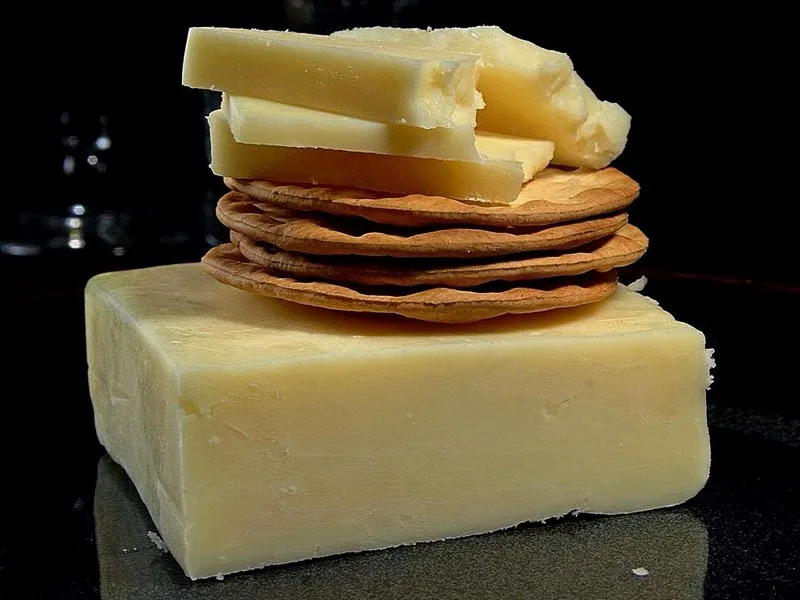
Mallawi cheese, fresh — 1 kg
Cheese & Upper Egypt specialities
215 EGP / kg
Mallawi cheese, aged — January 2026 batch — 1 kg
Cheese & Upper Egypt specialities
330 EGP / kg
Mallawi cheese wheel — 4 kg plate
Cheese & Upper Egypt specialities
680 EGP / kg
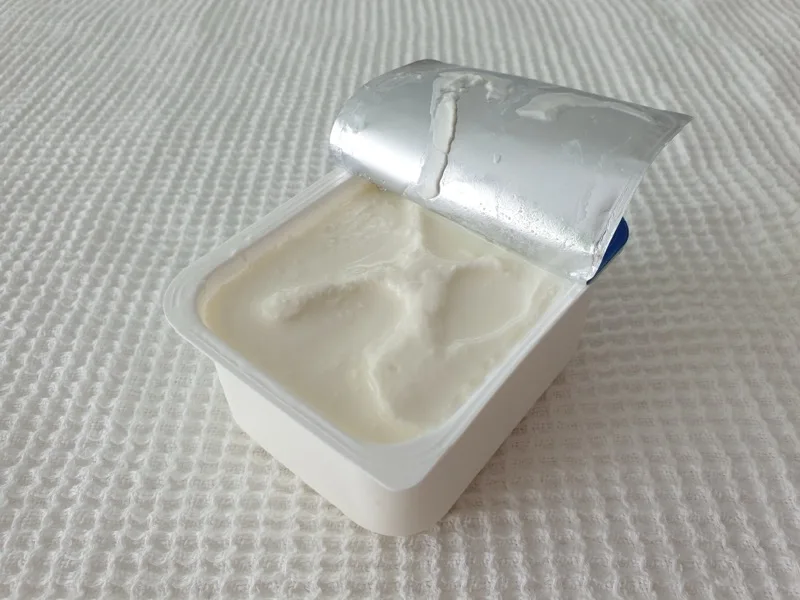
Qarish cheese — 1 kg
Cheese & Upper Egypt specialities
120 EGP / kg
Frequently asked questions
- How is Mallawi different from rumi cheese?
- Both are firm aged cheeses, but Mallawi is an Upper Egyptian cheese from Mallawi in Minya with its own salty, sharp character, while rumi is made and aged differently. Anyone who eats Mallawi knows the difference from the first slice.
- Can I age the fresh one at home?
- Yes, and people in Upper Egypt do: keep it somewhere cool and dry and it gains salt and flavour over time. Use one piece and leave the rest wrapped.
- Mallawi is very salty for me — how do I tone it down?
- Start with the fresh rather than the aged, and use a thin slice with bread, tomato and olive oil. If you want something far milder, choose qarish.